If a delayed text sends your mind racing, or you often need reassurance that things are okay, you may recognize yourself in what psychologists call anxious attachment. It is one of the patterns described in our overview of attachment styles. This article looks at it more closely and, importantly, at what tends to help.
What anxious attachment tends to look like
Anxious attachment is characterized by a strong desire for closeness combined with worry that the other person will pull away. In adult relationships that can look like:
- Needing frequent reassurance
- Reading ambiguity, such as a short reply or a quiet evening, as a sign of trouble
- Feeling intense distress during conflict or distance
- Putting a partner’s needs first to avoid rejection
- Difficulty relaxing until a disagreement is resolved
None of this means someone is “needy” in a negative sense. It reflects a nervous system that learned to stay alert to signs of disconnection.
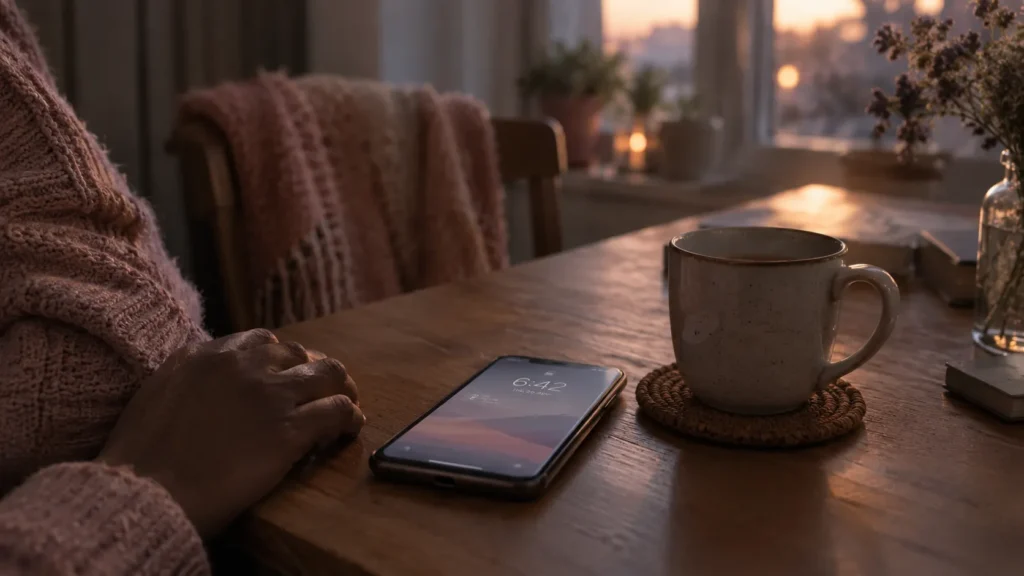
I recognize the delayed-text spiral in myself almost exactly. Someone takes four hours to reply and I’ve already written the whole ending in my head — they’re pulling away, they’ve met someone else, they’re bored of me. And then they reply “sorry, was in a meeting,” and the whole thing evaporates. It’s exhausting being that good at imagining the worst.
Where it comes from
Attachment theory suggests these patterns are shaped early in life by how reliably caregivers responded to our needs, though later relationships and experiences also matter. Researchers describe attachment as a tendency, not a fixed trait, and people can and do change over time. It is also worth remembering that a pattern having an explanation does not make it your fault, or your parents’ fault in any simple way.
Things that tend to help
Notice the story your mind tells. When a partner is quiet, the anxious mind often supplies a worst-case explanation. Practice adding at least two other plausible explanations, such as tired, busy, or preoccupied. It will not feel convincing at first. It is training.
Soothe yourself before reaching out. When anxiety spikes, try a few slow breaths, a short walk, or writing down what you are feeling before you send a message. Reaching out from a calmer place tends to go better than reaching out from panic.
Ask for reassurance directly and kindly. “I’m feeling a bit insecure today, could I get a hug?” invites care. Repeated testing, like checking whether they will reply quickly, tends to produce the opposite of what you want.
Build a life that is bigger than the relationship. Friendships, interests, and routines of your own create stability that does not depend on any single person’s mood.
Choose partners who are consistent. Secure, communicative partners help anxious patterns soften over time. Relationships full of mixed signals tend to intensify them.
Working with a partner
If your partner leans avoidant, the pattern we described earlier can appear: you seek closeness, they need space, and each response intensifies the other. Naming the loop together, ideally when things are calm, helps a lot. We will look at the avoidant side of that loop in the next article.
When to consider professional support
If anxiety about relationships is constant, affects your sleep or work, or leads to patterns you cannot break on your own, a therapist experienced in attachment-based approaches can be very helpful. This article is an introduction, not treatment.